Czechia's Regions: More Than Just Lines on a Map
Czechia, a landlocked nation at the heart of Europe, is a country rich in history, culture, and diverse landscapes. When we talk about a Region Of Czechia, we're not just discussing administrative boundaries; we're delving into a complex tapestry woven from historical legacies, distinct cultural identities, and ongoing social processes. Understanding the regions of Czechia means appreciating both the governmental structures that organize daily life and the deeply rooted sense of place that defines its communities.
For visitors and residents alike, these regions offer unique experiences, from the ancient forests of Bohemia to the wine-making traditions of Moravia. But what truly defines a region in Czechia? Is it a set of administrative rules, a shared heritage, or the collective identity of its people? This article explores how Czechia’s regions have evolved, how they are named, and why regional identity plays such a crucial role in the country's social and economic development.
Beyond Borders: The Evolving Understanding of a Region In Czechia
For many years, the concept of a "region" was primarily viewed as a static object or a mere administrative category. However, since the 1980s, there has been a profound shift in how scholars and policymakers understand and define the Region Of Czechia. Today, a region is increasingly recognized as a dynamic social process – a living entity shaped by human interaction, history, and perception, rather than just a geographical area marked on a map.
This evolving paradigm necessitates a holistic understanding, combining geography with broad interdisciplinary approaches, along with a keen sensitivity to local nuances and historical context. To truly grasp a Czech region, one must consider three interconnected configurations:
- Territorial Configuration: This refers to the physical space, its natural features, and its defined boundaries, whether administrative or perceived.
- Symbolic Configuration: This encompasses the shared meanings, narratives, myths, and traditions that give a region its unique character and appeal. Think of local legends, historical events, or even specific architectural styles.
- Institutional Configuration: This involves the various organizations, governance structures, and social networks that operate within the region, influencing its development and public life.
At the heart of these layers lies regional identity – a powerful sense of belonging and shared heritage that is crucial for the very existence and recognition of any region within the broader national system. Without this identity, a region risks becoming an anonymous administrative unit, devoid of the unique spirit that drives its communities.
Administrative Foundations: The Current Landscape of the Region Of Czechia
While cultural identity provides the soul, administrative divisions provide the framework. The modern administrative division of the Czech Republic, established after its independence, organizes the country into self-governing regions known as kraje (singular: kraj). These are distinct from the traditional historical divisions of the country, which famously include the Czech lands of Bohemia, Moravia, and Czech Silesia.
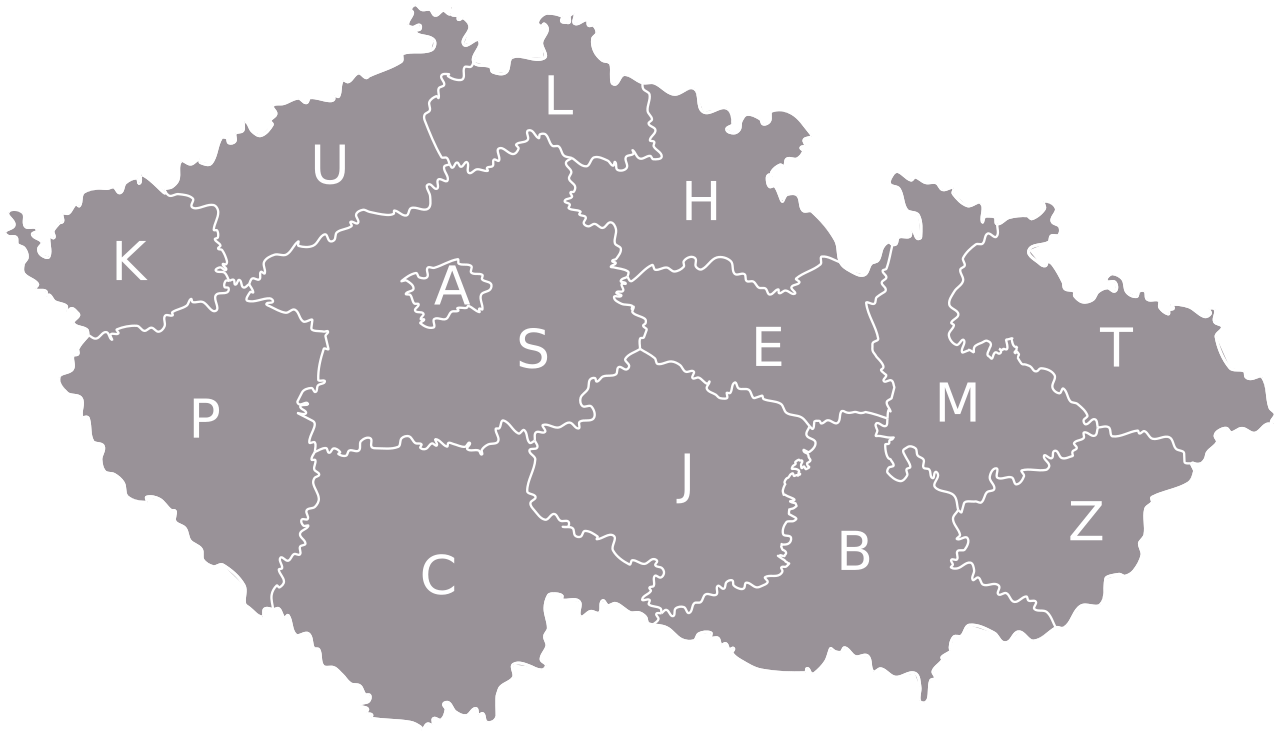
Currently, Czechia is divided into 14 kraje, including the capital city of Prague, which holds the status of a region. These administrative regions are responsible for a wide array of public services, including education, healthcare, public transport, and regional development initiatives. They serve as crucial intermediaries between the central government and local municipalities, ensuring that policies are tailored to the specific needs of their populations.
For visitors, understanding these administrative regions can be practical for planning travel, as they often correspond to tourism boards and local infrastructure. Each Region Of Czechia offers a unique blend of landscapes, historical sites, and cultural events, making them attractive destinations for different types of travelers. For example, the South Moravian Region is famous for its vineyards, while the Liberec Region boasts stunning mountains and national parks.
Historical Lands vs. Modern Kraje: A Lingering Legacy
It's important to differentiate the current kraje from the historical lands. While the kraje are relatively recent constructs for governance, the historical lands (Bohemia, Moravia, and Silesia) represent centuries of cultural and political evolution. Even today, the legacy of these historical lands subtly influences regional identity and certain cultural nuances, such as dialects or culinary traditions, across the modern administrative divisions.
Crafting Identity: How Regions Get Their Names and Character
The naming of a Region Of Czechia is far from an arbitrary process; it's a profound act that encapsulates its essence, history, and aspirations. A fascinating insight into this process comes from examining the denominations of Local Action Groups (LAGs), which are community-led initiatives for rural development. A study analyzing 179 LAG names in Czechia revealed that these names are deeply reflective of the phenomena that constitute the region's core identity.
This analysis affirmed the importance of a territorial approach to regional denomination, showing that naming strategies are spatially fragmented. Yet, these fragmentations are not random. Instead, they mirror elementary spatial patterns traditionally reproduced in the Czech context:
- West-East Gradient of Development: Names often subtly reflect the historical and ongoing differences in development levels, with western regions often more industrialized and eastern regions maintaining stronger agricultural traditions.
- Distinctions Between Historical Lands: The ancient divide between Bohemia, Moravia, and Silesia continues to influence regional branding, with names often invoking symbols, historical figures, or geographical features specific to these broader historical territories.
- Inland vs. Borderland Differences: Regions near the border, often resettled after WWII, may have different naming conventions or a distinct identity shaped by their unique demographic history and cross-border interactions.
Understanding these naming strategies provides a window into the self-perception of these communities and their efforts to build a distinctive regional brand. This strategic naming is a vital aspect of regional development, helping to foster local pride and attract investment and tourism. To learn more about this fascinating process, explore Decoding Czechia's Regional Names: Identity and Development.
Tips for Exploring Regional Identity Through Names:
- Look for Natural Features: Many regions are named after rivers (e.g., Labe, Vltava), mountains (e.g., Krkonoše), or specific landscapes, highlighting their geographical heart.
- Spot Historical Figures or Events: Some names might subtly reference local heroes, ancient kingdoms, or significant historical battles that shaped the area.
- Identify Local Products/Traditions: While less common for administrative regions, smaller micro-regions or LAGs might incorporate references to unique crafts, foods, or festivals.
The Power of Belonging: Regional Identity as a Catalyst for Development
Regional identity is not merely an abstract concept; it is a tangible force with significant implications for regional development. When a community shares a strong sense of identity, it fosters cohesion, encourages local initiatives, and provides a distinct advantage in attracting resources and attention.
A compelling case study is the Bohemian Paradise (Český ráj) region. Despite not being an administrative kraj, its powerful and well-recognized regional identity, based on its unique geology (sandstone rock formations), historical castles, and folklore, has been instrumental in its success as a tourism destination. This strong symbolic configuration, combined with community efforts and institutional support, has transformed it into one of Czechia's most beloved and economically vibrant regions.
Regional identity can:
- Boost Tourism: A strong, unique identity creates compelling narratives that attract visitors seeking authentic experiences.
- Promote Local Products: A "Made in [Region Name]" label carries more weight when the region is known for quality and tradition, supporting local businesses and economies.
- Strengthen Community Cohesion: Shared identity fosters pride, encourages civic participation, and helps in overcoming challenges collaboratively.
- Attract Investment: Regions with a clear identity and strong community spirit are often more appealing to investors looking for stable and motivated workforces.
The interplay of territorial, symbolic, and institutional elements, underpinned by a robust regional identity, is crucial for fostering sustainable growth and ensuring that each Region Of Czechia can thrive. Dive deeper into this topic by reading The Power of Identity: Shaping Regions and Development in Czechia.
Conclusion
The regions of Czechia are dynamic entities, far more complex than their administrative boundaries suggest. They are products of centuries of history, shaped by the interplay of geography, culture, and the collective identity of their inhabitants. From the current administrative kraje to the enduring legacy of the historical Czech lands, each Region Of Czechia offers a unique story.
As Czechia continues to evolve, the understanding and nurturing of these regional identities will remain paramount. It's this profound sense of belonging, expressed through local traditions, unique naming conventions, and shared aspirations, that truly defines the diverse and captivating landscape of Czechia. Whether you're exploring its castles, hiking its mountains, or tasting its local delicacies, you're experiencing the vibrant heart of a nation deeply connected to its regional roots.